NDIS support services in South Australia
Practical supports that build everyday skills, confidence and independence.
We work alongside participants to develop routines and strategies that support greater choice and independence over time.
What we offer
Quick links
Blindness and low vision support
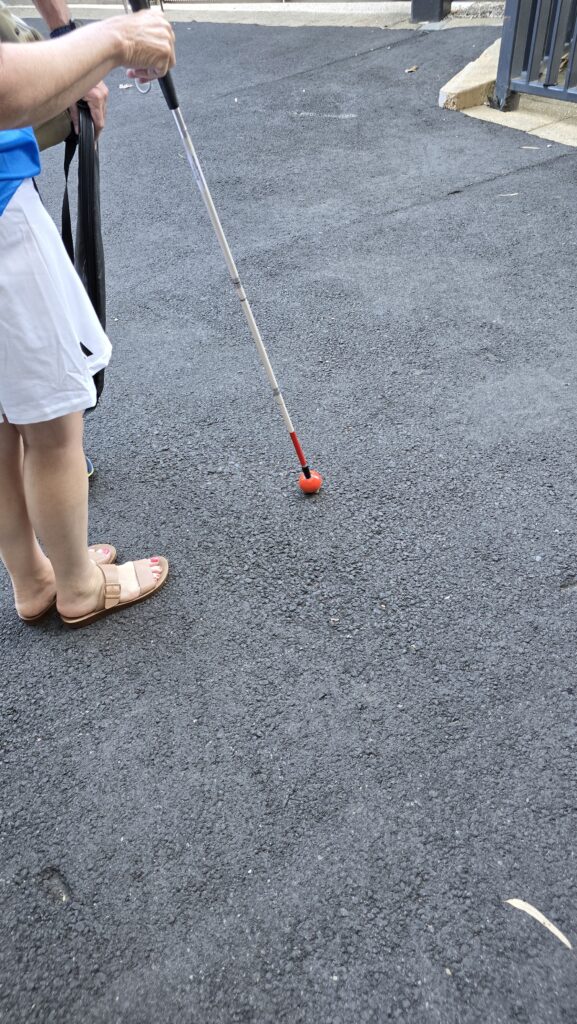
We provide practical, person-centred supports for people who are blind or have low vision, with a focus on building confidence, skills and independence in everyday life. Our approach is shaped by lived experience and a strong understanding of the challenges and opportunities that come with vision impairment.
Mobility and orientation support
We support people to build confidence moving safely through familiar and unfamiliar environments, including developing everyday travel routines, route planning and community access. Where specialist orientation and mobility training is required, we can also support participants to access and work alongside qualified orientation and mobility instructors, helping integrate strategies into everyday life.
Assistive technology (in partnership)
Assistive technology can be life-changing. While we don’t supply or train on assistive technology directly, we support participants to access, learn about and work alongside specialist providers.
Daily living skills
Practical support to build routines and skills for everyday living — from home organisation to managing tasks independently.
Sport and recreation
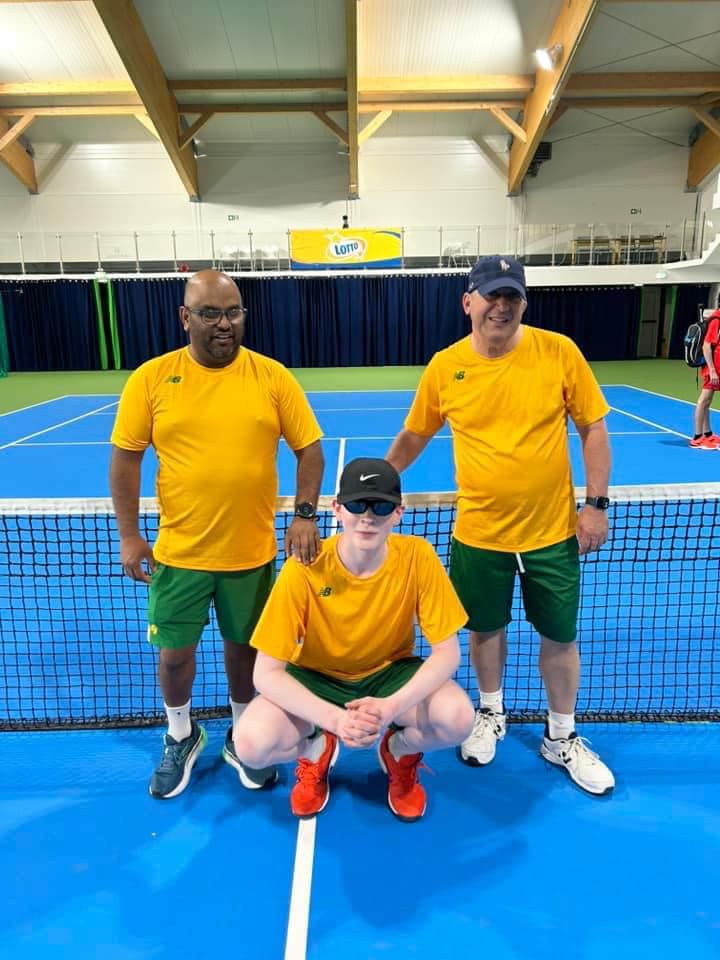
Support to access blind and low vision sports and recreational activities, building confidence, connection and wellbeing.
Community participation
Community participation supports people to connect with others, build confidence and take part in activities that matter to them. We work alongside participants to support meaningful involvement in social, recreational and skill-building opportunities within their local community.
Community participation and connection
We support people to take part in social and community activities that align with their interests, goals and everyday routines. This may include attending events, visiting community spaces or spending time with others, with support shaped around building confidence and independence over time.
Sports and recreation
Participation in sport and recreation can support physical wellbeing, confidence and social connection. We work alongside participants to access sporting and recreational activities that are meaningful to them, supporting involvement in ways that feel safe, enjoyable and empowering.
Everyday skills and confidence building
We support people to build practical everyday skills that increase confidence and independence. Supports may focus on communication, planning, managing routines and developing strategies that support participation at home and in the community, guided by individual goals and preferences.
Transport and everyday access
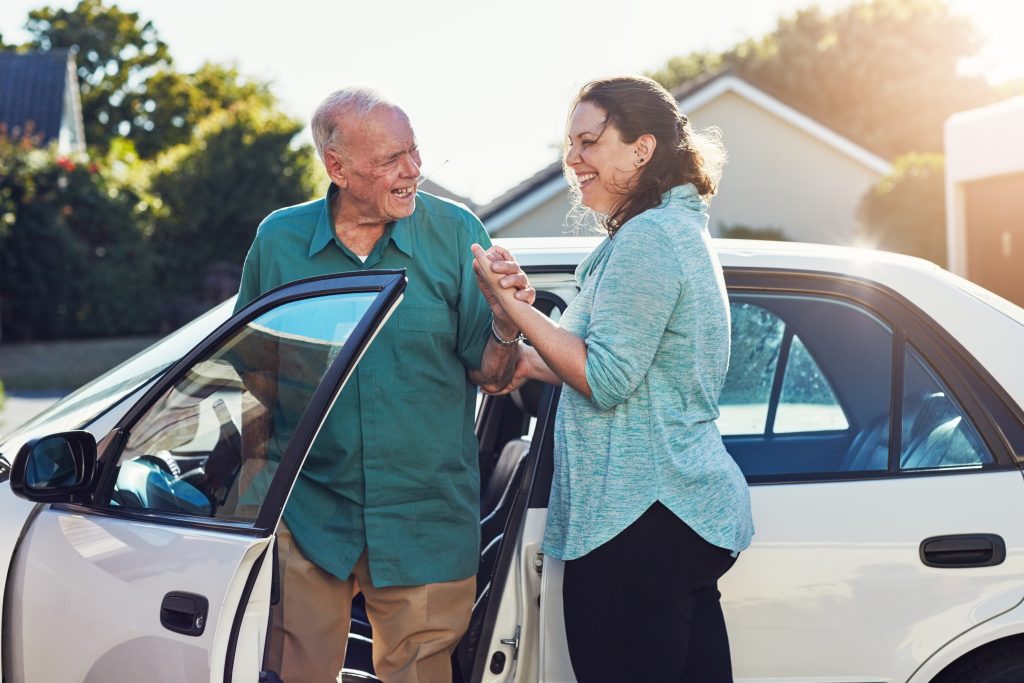
We provide practical transport support that enables people to access everyday activities, appointments and community life safely and confidently. Supports are shaped around individual goals and designed to reduce barriers, build confidence and support independence over time.
Shopping assistance
We support people to access shopping in ways that suit their preferences, routines and goals. This may include assistance with planning shopping trips, navigating shops, selecting items and managing purchases, with a focus on building confidence and independence wherever possible.
Transport to medical and allied health appointments
Accessing healthcare is an important part of maintaining wellbeing. We support people to attend medical and allied health appointments safely and reliably, providing assistance before, during and after appointments as needed to support understanding, comfort and follow-through.
Running errands and everyday access
We assist people to access everyday errands and activities that support independent living, such as banking, pharmacy visits and community services. Supports are tailored to individual routines and aim to build familiarity, confidence and practical skills over time.
How we work
We work alongside people to understand what matters most to them and how they want to live. Our supports are personalised, flexible and shaped around individual goals, with a focus on building confidence, skills and independence over time.
We value clear communication, thoughtful matching and consistent support, and we regularly review supports to ensure they continue to meet changing needs and goals.
Who we support
We support NDIS participants across a range of ages and support needs, including people living with blindness or low vision, physical disability and other support requirements.
Our services are designed for people who want practical, respectful support that builds capacity and supports participation in everyday life, at home and in the community.
Domestic assistance
Domestic assistance supports people to maintain a safe, comfortable home while also building routines, confidence and independence in everyday tasks. Supports are shaped around what matters most to you and how you want to live.
House cleaning
Keeping your home clean and tidy can be challenging, and for many people living with disability it can become harder to manage over time. We provide practical support with everyday cleaning tasks while working alongside you to build routines and strategies that make managing your home easier and more sustainable.
Gardening services
Access to outdoor spaces can play an important role in wellbeing and independence. We support people with basic gardening tasks and outdoor maintenance, helping keep gardens safe, accessible and enjoyable, while also supporting participation where possible.
Home maintenance
Small maintenance tasks can quickly become barriers to independence if left unmanaged. We support people with minor home maintenance needs and help organise repairs, ensuring living spaces remain safe and functional.
Organisation and administration support
Staying on top of paperwork, bills and everyday administration can be overwhelming. We provide practical support to help organise documents, manage tasks and develop systems that support greater independence and reduce stress.